Source Waterproof Heat Resistant Table Mat for Home Hotel Restaurant
Compare 30 waterproof heat resistant table mat options from verified Chinese suppliers. These mats feature heat resistance, eco-friendly materials, and custom sizes suitable for home, hotel, and restaurant use; compare the available evidence and request quotations based on your requirements.
Key considerations
Products List

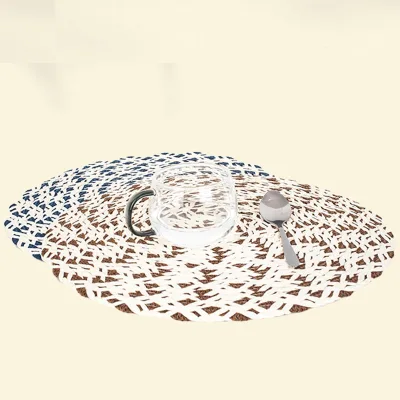


Comprehensive Sourcing Guide
Waterproof Heat Resistant Table Mat Sourcing Guide
Procuring waterproof and heat-resistant table mats requires a disciplined approach to material selection and functional verification. Buyers must prioritize products that explicitly demonstrate thermal stability and water repellency to ensure durability in high-traffic environments. The observed market data indicates a wide range of customization options, with many suppliers offering bespoke sizing and logo printing services. This flexibility allows businesses to align product aesthetics with brand identity while maintaining core performance standards.
It is critical to distinguish between general table accessories and specialized heat-resistant mats. While many listings feature modern designs suitable for home or restaurant use, not all products meet rigorous thermal protection criteria. Sourcing teams should verify that the material composition, such as papyrus or treated fabrics, inherently supports the claimed heat resistance. Relying solely on visual appeal without confirming material integrity can lead to premature product failure and customer dissatisfaction in commercial settings.
Product Scope and Observed Listing Signals
The current market landscape for table mats reveals a diverse array of product models, including identifiers like KHL8952, LK71028, and EI-190313. These models vary significantly in dimensions, with standard sizes ranging from 15x15cm to larger formats like 30x45cm or circular designs with diameters around 38cm. Buyers should note that while many items are described as heat-resistant, the specific thermal tolerance limits are not uniformly disclosed across all listings. This variability necessitates careful review of individual product specifications before placing bulk orders.
Packaging and presentation also differ widely among suppliers, with options including carton packing, hangtags, and single-item units. The observed weight ranges from 55g to 77g, suggesting variations in material density and thickness, which often correlates with durability. Some products feature printed patterns or solid colors, while others offer striped designs. Understanding these physical attributes helps buyers estimate shipping costs and storage requirements, ensuring that the selected mats fit within logistical constraints without compromising on quality or aesthetic requirements.
Technical Specifications to Verify
Thickness and material composition are primary technical indicators of a table mat’s performance capability. Observed specifications include a thickness of 3 mm for certain models, which may provide adequate cushioning and thermal insulation. Buyers should verify whether the material, such as papyrus or other treated textiles, maintains its structural integrity under repeated exposure to hot cookware. It is essential to confirm that the waterproofing treatment does not degrade over time or emit unpleasant odors when heated, ensuring long-term usability in dining environments.
Dimensional accuracy is another critical verification point, as listed sizes like D38cm or 38cm must match the intended table dimensions precisely. Inconsistencies in diameter or rectangular measurements can lead to improper fit and reduced aesthetic appeal. Additionally, buyers should assess the ease of cleaning, as many products are marketed as simple to maintain. Confirming that the surface resists staining and allows for quick wiping without damaging the material ensures that the mats remain hygienic and visually appealing throughout their lifecycle in busy restaurants or hotels.
Compliance and Safety Documentation
Safety certifications are paramount when sourcing table mats intended for food service environments. Some observed products list LFGB and FDA certifications, indicating compliance with strict food contact safety standards. Buyers must verify that these certifications are current and applicable to the specific material composition of the ordered items. Without valid documentation, there is a risk that the mats may leach harmful substances when exposed to heat or moisture, posing health risks to consumers and potential liability for the purchasing organization.
Beyond material safety, buyers should inquire about the environmental impact of the production process. Several listings highlight eco-friendly features, suggesting a shift towards sustainable manufacturing practices. It is advisable to request detailed information on the sourcing of raw materials and the chemical treatments used for waterproofing. Ensuring that the production adheres to recognized environmental standards not only mitigates regulatory risks but also aligns with the growing consumer demand for sustainable and responsibly sourced hospitality supplies.
Cost Drivers and Commercial Terms
Pricing in the table mat market is influenced by material quality, customization complexity, and order volume. The observed price range spans from $0.09 to $50, reflecting significant variation in product tiers and features. Buyers should be cautious of extremely low prices, which may indicate inferior materials or lack of essential safety certifications. Conversely, higher prices may justify advanced thermal resistance or premium eco-friendly materials. Understanding these cost drivers helps in budgeting accurately and avoiding unexpected expenses due to hidden fees or substandard quality.
Minimum Order Quantities (MOQ) and lead times are key commercial terms that impact procurement planning. Observed MOQs range from 10 to 5000 pieces, with some suppliers specifying an MOQ of 3000 pcs for customized orders. Buyers should negotiate terms that align with their inventory turnover rates and storage capacity. Additionally, clarifying lead times for production and shipping is essential to avoid stockouts, especially during peak seasons. Establishing clear commercial agreements ensures a smooth supply chain and reduces the risk of delays that could disrupt business operations.
Supplier Qualification and Quality Control
Evaluating supplier reliability is crucial for maintaining consistent product quality. Buyers should assess the supplier’s production capabilities, including their ability to handle custom sizes and logo printing as advertised. Verifying the supplier’s track record in exporting to target markets can provide insights into their adherence to international standards and customer service responsiveness. It is also important to check for any past quality issues or complaints, which may indicate systemic problems in their manufacturing or quality control processes.
Implementing a robust quality control protocol is essential before finalizing large orders. Buyers should request pre-shipment samples to verify physical attributes such as thickness, color accuracy, and heat resistance. Conducting random inspections during production can help identify defects early, allowing for corrective actions before shipment. Establishing clear acceptance criteria based on observed specifications ensures that the delivered products meet the required standards. This proactive approach minimizes the risk of receiving non-conforming goods and protects the buyer’s brand reputation.
Long-Term Procurement Checks
Sustaining a successful procurement strategy requires ongoing monitoring of product performance and supplier relationships. Buyers should collect feedback from end-users regarding the durability and ease of cleaning of the table mats. This feedback loop helps identify any emerging issues, such as fading colors or loss of waterproofing, allowing for timely adjustments in future orders. Regularly reviewing supplier performance against agreed-upon metrics ensures that quality and service levels remain consistent over time.
Adapting to market trends and regulatory changes is also vital for long-term success. As consumer preferences shift towards more sustainable and innovative materials, buyers should stay informed about new developments in table mat technology. Engaging with suppliers to explore new product offerings can provide competitive advantages and meet evolving customer demands. By maintaining a flexible and informed procurement approach, buyers can ensure that their table mat selections remain relevant, safe, and cost-effective in the dynamic hospitality and retail sectors.
FAQs
What materials are commonly used for waterproof heat resistant table mats?
Waterproof heat resistant table mats are commonly made from papyrus, silicone, PVC, and woven natural fibers with protective coatings. Papyrus mats listed here offer heat resistance in round and rectangular shapes. Material choice affects cleaning ease, texture, and durability, so buyers should confirm the exact material and finish with the supplier before ordering in bulk.
Can these table mats be customized with a customer logo?
Yes, customization is available, and logo printing can be added per customer requirements. Some listed models ship without logo printing, so specify your branding needs when requesting quotes. Custom size options are also offered alongside standard diameters, which helps match mats to specific table settings for home, hotel, or restaurant use.
What sizes and shapes are available for these table mats?
Listed options include round mats at 38cm diameter and rectangular styles at 30x45cm, with one model measuring 15x15x4cm. Custom sizes are also supported for many listings. Thickness is typically around 3mm, and weights range roughly from 55g to 77g depending on the model and pattern.
Which certifications should I look for when sourcing table mats?
LFGB and FDA certifications are relevant for food-contact table mats, and some listed products carry these certifications. These indicate the material has been tested for safe contact with food. Always request current certificate copies from suppliers, since certification applies to specific models rather than every product in the category.
How should I clean and maintain a heat resistant table mat?
Most listed mats are easy to clean with a damp cloth and mild soap after use. Avoid abrasive scrubbers that could damage printed or woven surfaces. Let mats dry fully before stacking to prevent moisture buildup. Papyrus and natural fiber mats should not be soaked, while coated or synthetic styles tolerate wiping more readily.
What is the typical minimum order quantity for these table mats?
MOQs in this category range from 10 to 5000 pieces depending on the supplier and model. One listed heat-resistant placemat specifies an MOQ of 3000 pieces. Custom sizes, logos, and colors may carry higher minimums than stock items, so confirm MOQ terms early when comparing supplier quotations.
Can these mats be used outdoors and for kids' dining?
Yes, some listed models are designed for home, restaurant, outdoor, and kids use. Heat resistance and easy-clean surfaces make them practical for picnics and children's mealtimes. For kids use, check that edge finishing is smooth and that materials carry appropriate food-contact certification before placing bulk orders.
How are the table mats packed for shipping?
Packing methods vary by model, with carton packing and hangtag packing both listed among current products. Quantities per carton are often to be arranged with the supplier. Confirm packing style, carton dimensions, and gross weight when requesting quotes, since hangtags and printed labels can affect final shipping volume and cost.